Same-Day Flower Delivery Explained: Cut-Off Times, Postcodes and What to Expect
October 09, 2026 - Delivery
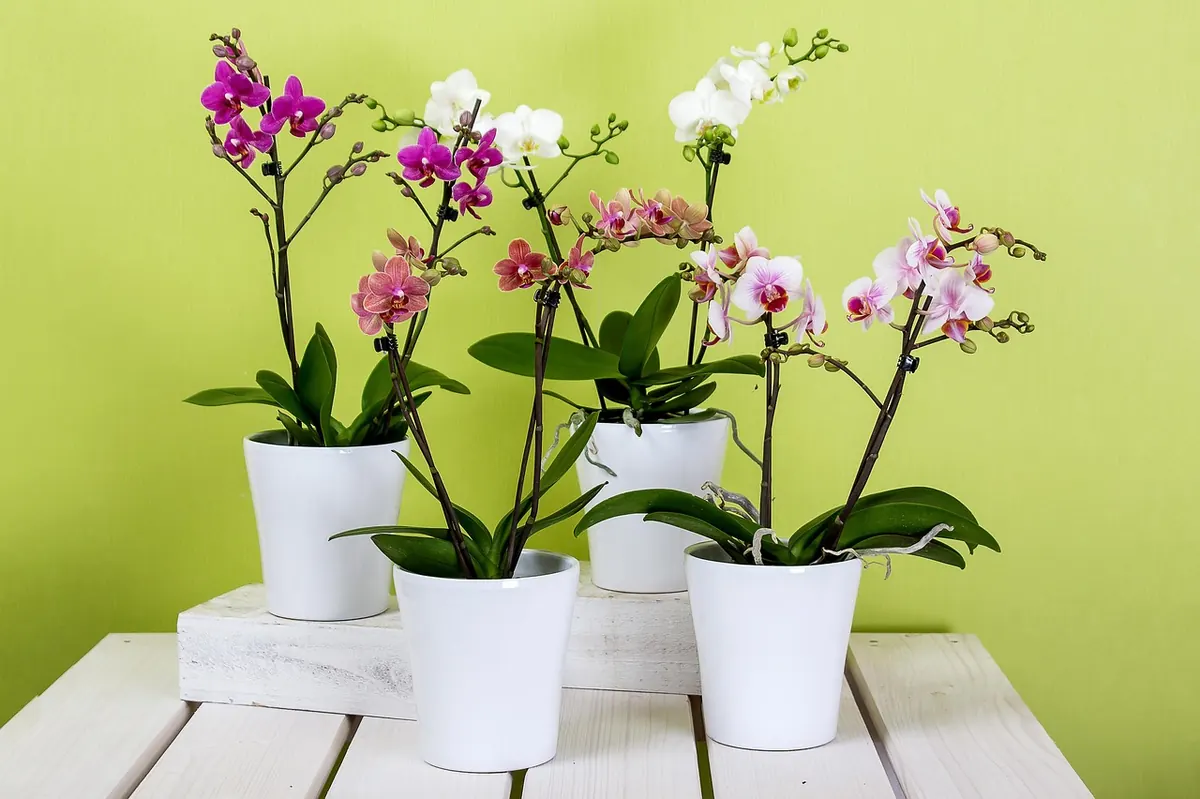
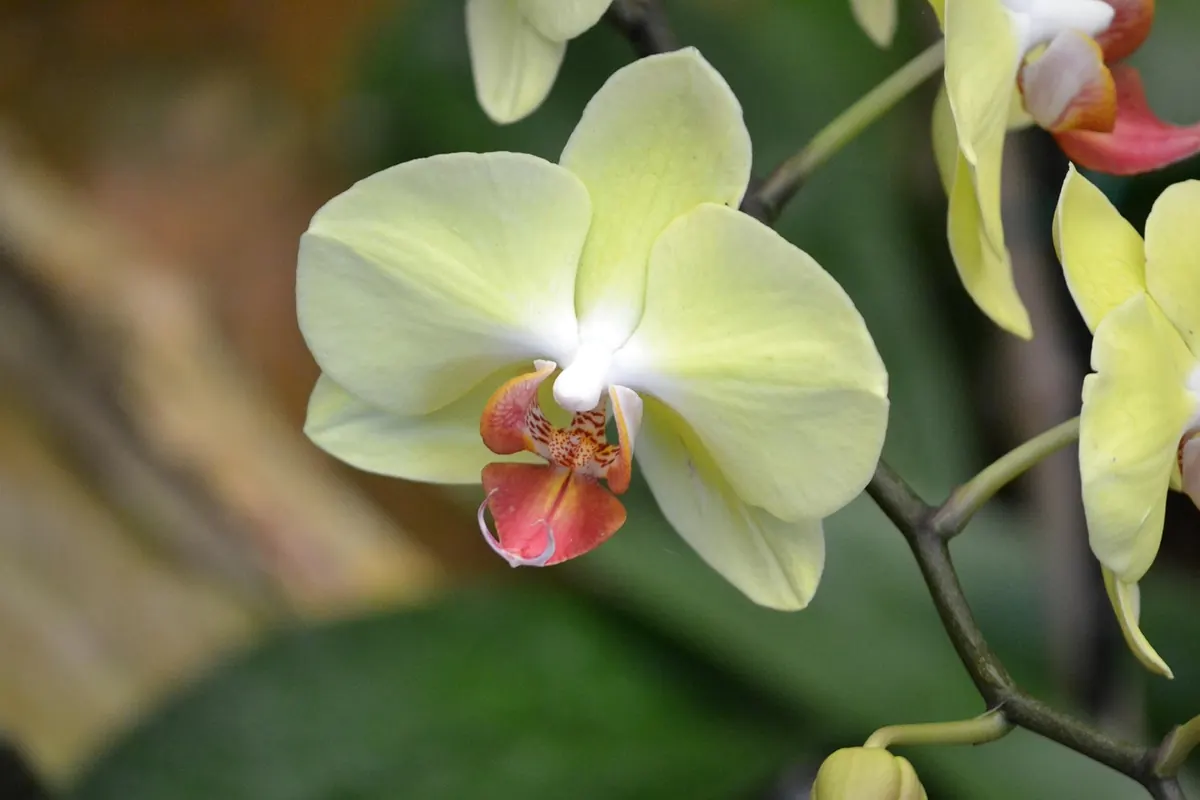
A supermarket orchid is one of the best-value houseplants you can buy, and one of the most misunderstood. The moth orchid — Phalaenopsis, the one with the arching stem of flat, long-lasting flowers — is not delicate. In the wild it clings to tree branches, where rain soaks its thick roots and the breeze dries them again. Copy that rhythm at home and it will flower for months, rest quietly, and flower again next year.
Most failures come down to two things: too little light and too much water. Get those right and the rest is easy.
Light in a British home in June and light in December are different worlds, so the best spot changes with the season. An east-facing windowsill is the classic beginner’s choice: gentle morning sun, bright indirect light for the rest of the day, and less risk of scorching. A west-facing window can also work well, especially if the afternoon sun is filtered by a net curtain. A south-facing window is often too fierce between May and September, but in winter it becomes the best place in the house. A north-facing room is usually too dim for a Phalaenopsis to rebloom unless you add a small LED grow light.
Think in terms of seasons. In summer, keep the orchid a little further back from the glass, behind a sheer curtain, or on a table that catches bright but soft light. In winter, move it as close to the window as practical — the weak British sun is precious — but avoid leaves touching icy glass on frosty nights. If you live in a flat with deep windowsills and low light, a simple timer and a modest full-spectrum bulb for twelve hours a day can transform an orchid’s performance.
How do you know if light is right? Healthy leaves are firm, broad and mid-green. Too little light gives dark, glossy, almost black-green leaves and no flower spikes. Too much direct sun gives leaves with a reddish-purple edge, bleached patches or crispy brown scorch marks. An orchid that is happy may develop a slight reddish tint under very bright light, but scorching is not a sun tan — it is damage.
Overwatering is the single most common way to kill a supermarket orchid. The roots need air as much as they need moisture. Sitting in a sealed decorative pot, or being watered “a little every Sunday,” slowly suffocates and rots them. The ice-cube method is neat and popular, but cold water can shock tropical roots, and one cube rarely wets the bark evenly. Use it only as a last resort, not as a habit.
The better method is to take the inner clear pot to the sink, run tepid water through the bark, or stand the pot in a bowl of water for ten to fifteen minutes. Then lift it out, let it drain completely, and return it to its cover pot only when no water drips from the bottom. Never leave the orchid standing in a puddle. In a British centrally heated home, that might mean watering every seven to ten days in summer and every ten to fourteen days in winter — but the calendar is less important than the roots.
If you live in a hard-water area, tap water is usually better than nothing, but orchids can build up salts over time. Rainwater or filtered water is kinder if you have it. Once a month, flush the pot thoroughly with plain water to wash salts through the bark. Do not use softened water, which can contain sodium.
Orchids are epiphytes, not woodland plants. They do not grow in soil. Ordinary houseplant compost holds water like a sponge and will rot their roots. Use a chunky orchid bark mix, ideally with some charcoal and perlite or pumice for drainage. A clear plastic pot with plenty of holes is ideal because it lets you see the roots and lets air move around them.
Repot every one to two years, or when the bark has broken down into dark crumbs, the roots are climbing out of every hole, or the plant tips over easily. Choose a pot only slightly larger than the root ball. Trim away any dead roots, tease out the old bark, and settle the plant so the base of the leaves — the crown — sits just above the bark. Burying the crown invites rot. After repotting, keep the orchid in soft light and wait a few days before watering, giving broken roots a chance to heal.
Feeding is simple: “weakly, weekly” through spring and summer. Use a dedicated orchid fertiliser at half the recommended strength. In autumn and winter, when growth slows, feed once a month or not at all. More food is not better; excess fertiliser burns roots and leaves white crust on the bark.
British homes are often dry in winter because of central heating. Moth orchids prefer about 50–60% humidity. Grouping plants together, placing the orchid on a tray of pebbles with water below the pebbles, or running a humidifier nearby can help. Mist the air around the plant rather than the leaves and flowers, and never let water sit in the crown of the plant. Good air movement matters too: a stuffy, damp corner is an invitation to mould and rot.
Phalaenopsis likes comfortable room temperatures: roughly 18–22°C during the day, with a drop of about 5°C at night. Avoid draughts, radiators, and cold windowsills in winter. A cool night drop is not just pleasant — it helps trigger new flower spikes. In early autumn, if the plant is healthy, moving it to a slightly cooler room at night for a few weeks can encourage blooming. Keep it away from ripening fruit bowls, though: apples and bananas release ethylene gas that can make orchid flowers fade faster.
When the last flower drops, you have a choice. If the stem is still green and firm, cut it back to just above the second or third node from the base. A new side spike may emerge from that node. If the stem has turned brown and dry, cut it off near the base. Then give the orchid a rest: slightly less water, no fertiliser for a few weeks, and as much gentle winter light as you can manage. Many beginners throw away a perfectly healthy orchid at this stage. In fact, a rested moth orchid often produces a bigger, better spike the following year.
In spring, days lengthen and the orchid starts growing. Repot if needed, resume weak feeding, and water more often as the bark dries faster. In summer, protect it from scorching midday sun, keep it well watered but never soggy, and feed weekly. If you go on holiday, move it out of direct sun and stand it on a tray of damp pebbles — not in water. In autumn, reduce feeding, allow cooler nights, and watch for the first green nub of a new flower spike. In winter, give it maximum gentle light, water sparingly, and keep it away from cold glass and hot radiators. Flowers may last for months, especially if the plant is not moved too often.
Once you understand the rhythm — bright light, airy roots, a good soak followed by a proper dry-out — a potted orchid stops being a temporary supermarket treat and becomes a long-term houseplant. It may even become the most reliable flowerer on your windowsill, year after year.
Photo: RainerBerns / Pixabay

How same-day flower delivery works across UK cities, from cut-off times and postcode limits to courier routes and...

Ward rules, delivery windows and sensible packaging decide whether a hospital bouquet reaches the bedside. Here's...
Copyright © 2026 Petal Bay. All Right Reserved.